“Care and support must be guaranteed for all those with dementia”

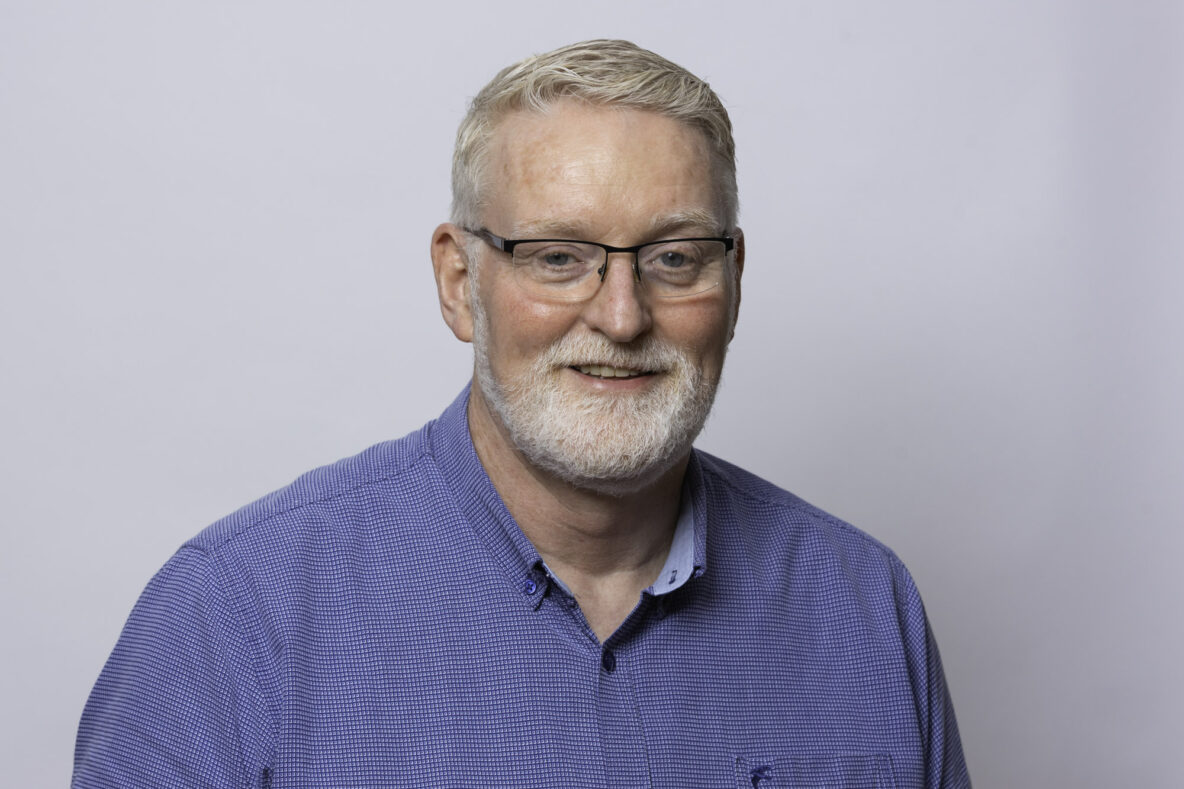
Member Spotlight: Jim Pearson, Deputy Chief Executive of Alzheimer Scotland, on the charity’s Stop the Cuts campaign and its work to build a national, consistent standard of care
At Alzheimer Scotland, it is our mission to make sure that nobody faces dementia alone.

Dementia is caused by disease processes such as Alzheimer’s disease and is a progressive and life limiting condition which, over time, affects every aspect of daily life.

A diagnosis of dementia is life-changing not only for the individual but for their family. It is Alzheimer Scotland’s view that every person diagnosed with dementia has the right to receive the proper care, treatment and support which responds to the changing, often complex, symptoms and needs as the illness progresses.

However, too often we hear from people living with dementia and those who care for them that they are left alone to deal with the changing and increased levels of need dementia brings, with often limited or no help.

While illnesses such as cancer, chest, heart and stroke all have clear pathways mapping out exactly how a person will be treated and cared for at every stage – dementia has no such pathway in place. There is often no offer of regular care reviews or annual check-ups with health professionals.

Right now, in some of the most extreme funding cuts ever seen, vital health and social care services supporting tens of thousands of people living with dementia, their families and carers are being forced to reduce the support they can offer, or in many cases close completely.

In a desperate bid to plug predicted budget gaps, Integration Joint Boards (IJBs) across Scotland are having to find millions of pounds of savings. Much of those savings are being planned by cutting funding from their older people and community care budgets, where the mainstay of community support and dementia-specific services can be found.

These cuts are both unacceptable and short sighted. They will inevitably lead to more people experiencing avoidable crises, increased levels of need, and growing demand on an already overstretched health care system through avoidable and more expensive hospital admissions.

Scotland is sleepwalking into a dementia care crisis.

It is these issues that inspired Alzheimer Scotland to launch a new national campaign to ‘Stop the Cuts’ to community dementia care funding. In a matter of weeks more than 12,000 people have signed our petition in support of the campaign.

We have also been inundated with messages of support and high levels of engagement on our social media posts, helped by support from our CCPS partners.

The campaign calls for the introduction of a guaranteed national pathway where evidence-based interventions are offered to everyone with a dementia diagnosis throughout the progression of their condition – every time, everywhere throughout Scotland.

It is estimated that around 90,000 people in Scotland are living with dementia, and this number is expected to rise significantly in the coming years. As the population ages, the demand for dementia services will inevitably increase, making it essential that we have robust systems in place to support those in need.

It is not right that dementia care is left to a postcode lottery.

We have written to all MSPs, MPs and council leaders across the country, as well as to ministers and local government body COSLA calling for urgent action.

As we look ahead to the Scottish Parliament elections in May 2026, we will continue our campaign to stop the cuts, protect dementia services, and build a national, consistent standard of care that ends the postcode lottery for good.

To find out more about Stop the Cuts and to sign our petition visit https://www.alzscot.org/StopTheCuts/

‘It’s time to Rethink to 13’: MSP briefing published for stage 1 debate on Budget

We’ve produced a briefing for MSPs on Fair Work for Scotland’s social care staff, with an explanation of why the Scottish Government must now reconsider pay for social care staff

We’ve produced a briefing for MSPs on Fair Work for Scotland’s social care staff, with an explanation of why the Scottish Government must now Rethink To 13.

Download and read the briefing

The briefing was sent to a targeted list of MSPs ahead of today’s Stage 1 Debate on the 2024-25 Budget at Holyrood.

It features suggested questions to ask in the chamber on Thursday, key facts and stats on social care pay, and evidence from our current #RethinkTo13 campaign.

The Stage 1 debate on the budget is being held in a period of crisis for the social care sector, with provider organisations increasingly unable to recruit and retain staff due to lack of Fair Work.

As we reported last year, an average of 52% of staff who moved jobs in 2022 left the social care sector altogether (2022 Social Care Benchmarking Report).

Through the Rethink To 13 campaign we’re sharing stories from support workers in the sector about what a pay increase to a minimum of £13 per hour would mean to them and its positive impact on services and people receiving support.

A final debate on the 2024-25 Budget is due to be held at the end of February before it is passed by parliament.

News: 4 Steps to Fair Work campaign launched to bring step change in social care

New CCPS campaign amplifies voices of sector and civic society, urging the Scottish Government to pledge to invest and give hope of equality

The Coalition of Care and Support Providers in Scotland today launches a national campaign calling on the Scottish Government to deliver Fair Work for Scotland’s not-for-profit social care staff.

The campaign draws on evidence from CCPS’s membership organisations about the acute pressures currently being faced by their services as a result of the Scottish Government’s base pay rate for staff of £10.90, which is leading to staff leaving the workforce and many services being jeopardised.

The initiative aims to influence Scottish Government to take 4 Steps to Fair Work for social care staff and announce a timetable for investment. The 4 Steps are:

1. Deal with pay inequality: As a first step, implement the promise of a minimum of £12 per hour for social care staff, starting from 1 April 2023.

2. Ensure equal pay for equal work: Apply pay uplifts to staff in all services, not just those in registered adult social care.

3. Value all staff who play their part: Deliver funding packages that value the crucial role of support staff and managers, alongside frontline workers.

4. Give us hope of equality: Publish a timetable by this September to deliver fully on Fair Work in Social Care by 2025.

Launching the campaign, CCPS’s Chief Executive Rachel Cackett said:

“We may not always ‘see’ it, but social care and support is a fundamental; it touches all of us at points through our lives. But it mostly happens behind closed doors and is often obscured behind the big headlines about the crisis in the NHS.

“Social care needs to be championed in public for its crucial role in supporting people to realise their right to independence, their connections with the people and places that matter to them, their wellbeing, and their ability to participate in work, school and community.

“The Scottish Government needs to start talking about why social care matters – not just to keep the NHS on its feet, but to keep people on theirs. And it needs to articulate a plan for how it will invest in, and finally deliver, Fair Work.”

“This campaign is a first step on that journey and we hope everyone who cares about Fair Work will give it their support.”

Through the campaign CCPS’s members and wider civic society will alert the Scottish Government to why delivering on Fair Work is fundamental for the future of Scotland’s social care workforce.

Over the next three months, in the run-up to the Programme for Government and spending review, CCPS will be sharing voices, views and calls to action through the campaign.

Find out more about the campaign and take part.